A Rich History
The first horseless carriage - the prototype of all cars
We have a Trevithick London Steam Carriage and an Enterprise Steam Carriage available for sale
Learn MoreWe have 2 classic steam carriages available for sale to collectors/enthusiasts, or donation to an appropriate trust or museum. These amazing working replicas were painstakingly built by Tom Brogden, an acclaimed engineer from Macclesfield. Sadly Tom passed away in 2019 and now his family are looking for a suitable home for these timeless classics. Both steam carriages are historically significant as they were both recognised as the first vehicles of their type.
These are remarkable, one-of-a-kind vehicles that have a very important place in history. It is vital that we find the right people with the necessary expertise to ensure they can continue to be enjoyed and appreciated by many. If you would like more information or you wish to register your interest please complete the form at the bottom.
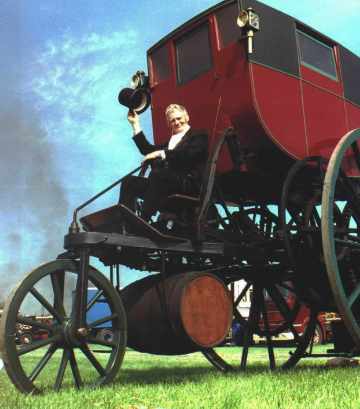
We are currently looking for collectors or enthusiasts who would be interested in purchasing the carriages. We are also happy to consider trusts or museums that would want to put the carriages on display.
The first horseless carriage - the prototype of all cars
World's first passengar carrying vehicles
Both carriages are fully functional and have been driven at many events.
Both steam carriages have been researched in detail and accurately replicated based on all available information.

Trevithick London Steam Carriage and Enterprise Steam Carriage
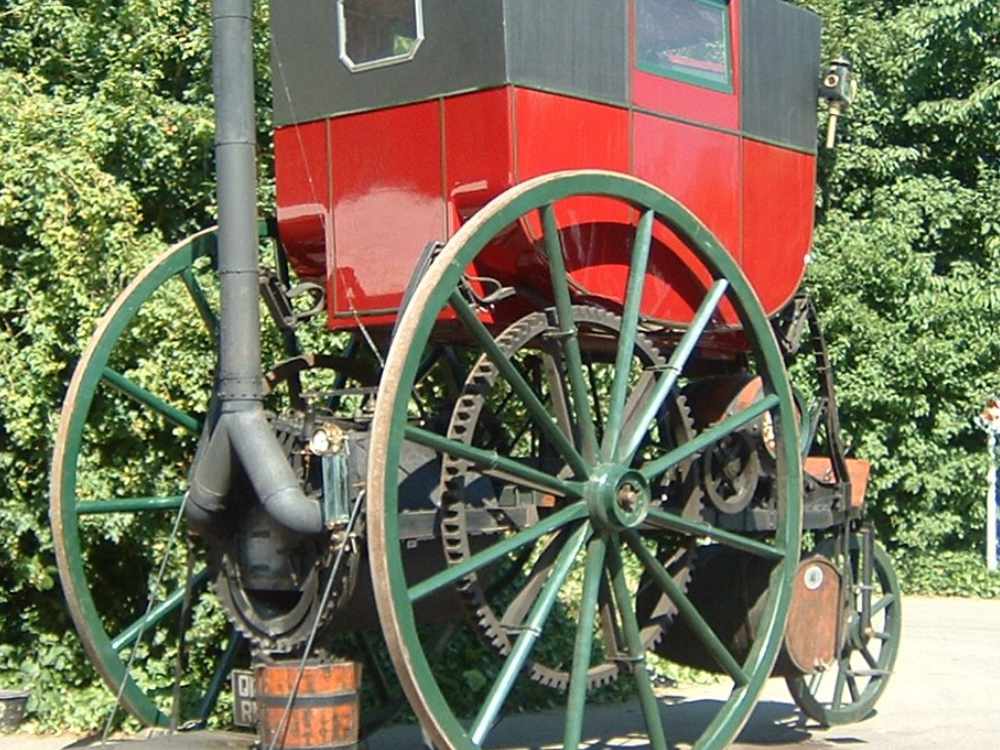
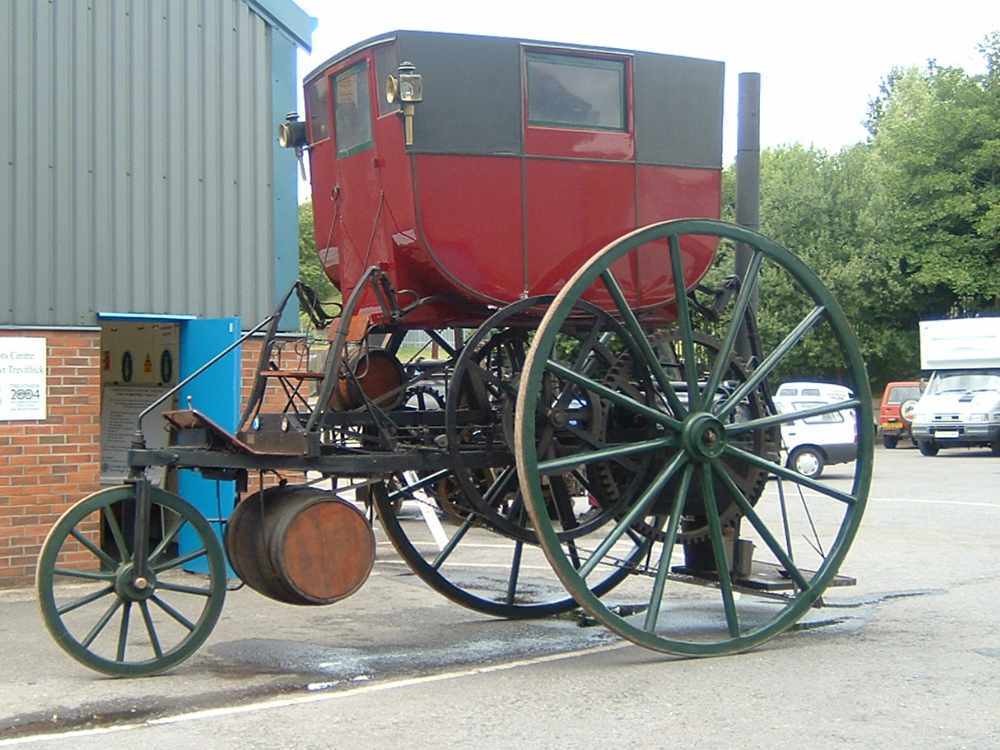
Richard Trevithick's London Steam Carriage - Patent 1803. The first horseless carriage - the prototype of all cars. The original carriage was assembled in London at the works of William Felton, a horse carriage builder. A coal-burning steam engine newly invented by the Cornish genius, Richard Trevithick was fitted to the rear to replace the horse.
Trevithick managed to drive 8 people from Leather Lane, Holborn to Paddington. And bring them back the same day!
The original carriage was broken up after accidentally demolishing some house railings- the world's first motor accident?
This replica was built in 1998 by Tom Brogden of Macclesfield, as close to the original design as modern safety standards allow. The top speed is 6 mph and it can cruise at about 4 mph on a flat surface. The estimated power is about 3 bhp (2 kw). With a weight of 2 tons it is unwilling to climb even a modest hill. With so little power it much prefers going downhill.
Nevertheless it is fun to drive as long as there are 2 or 3 stalwart people available to help push it on its way when required.
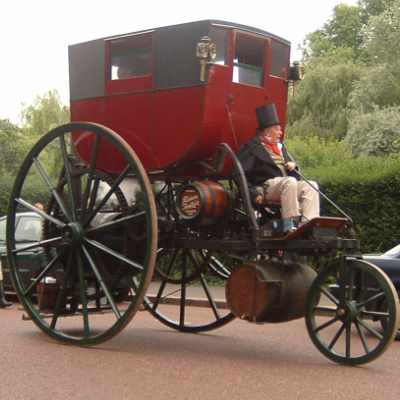

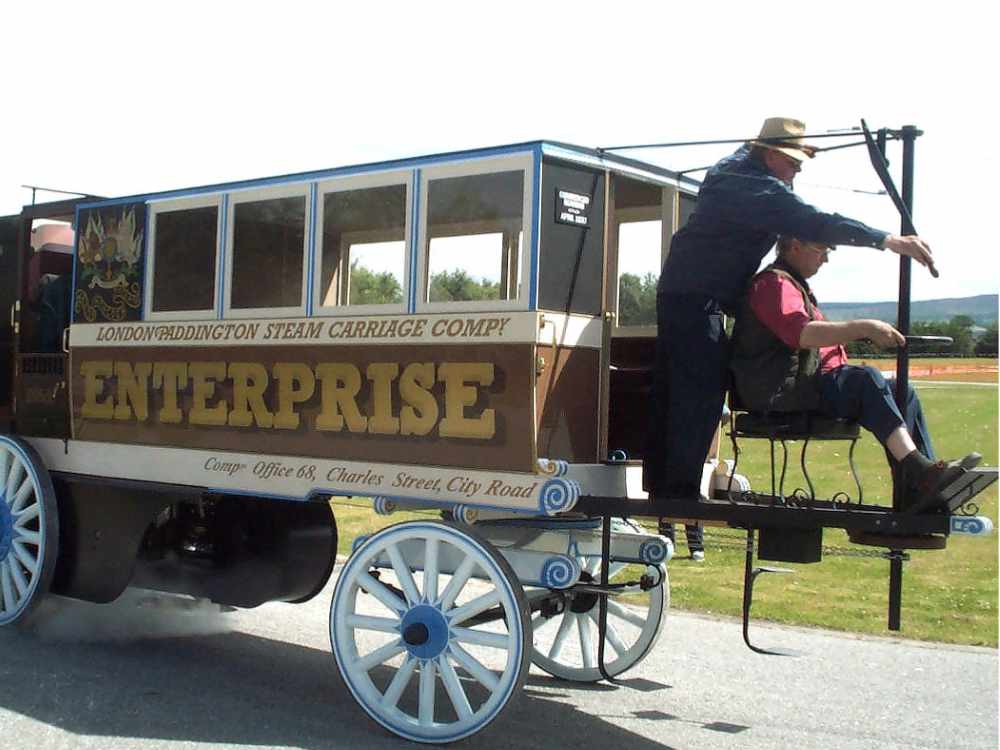
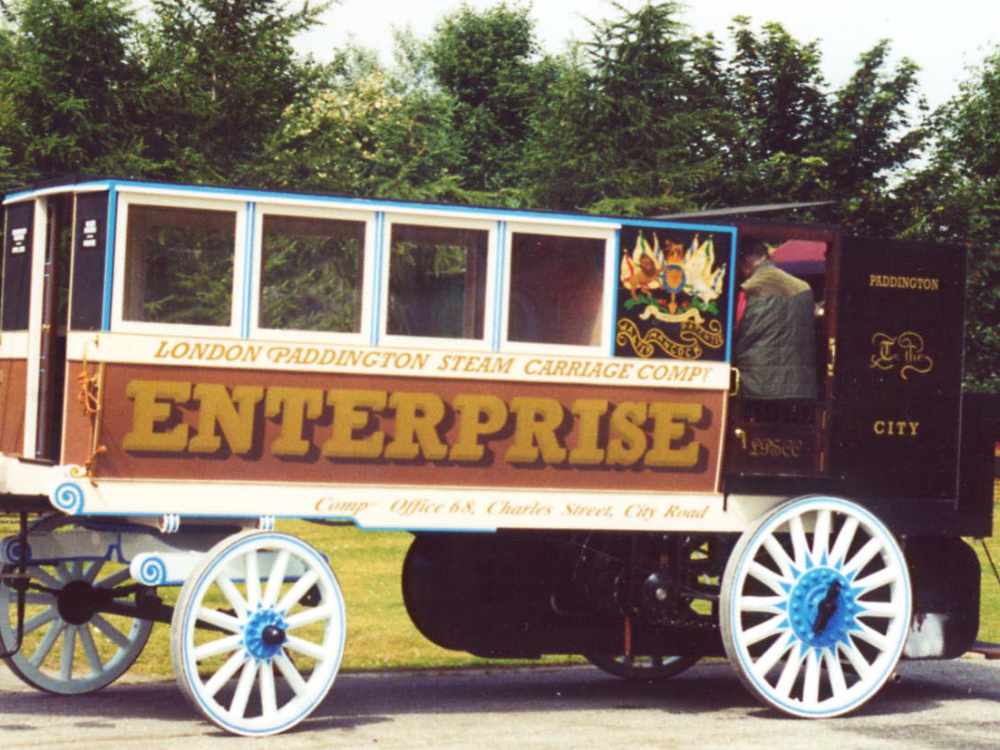
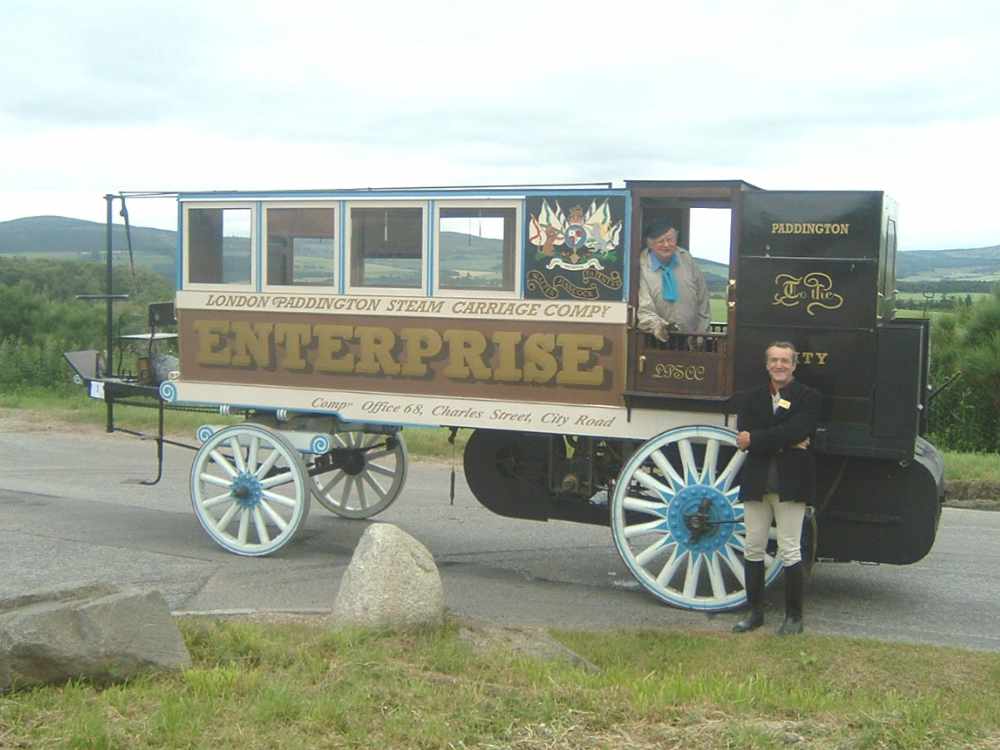
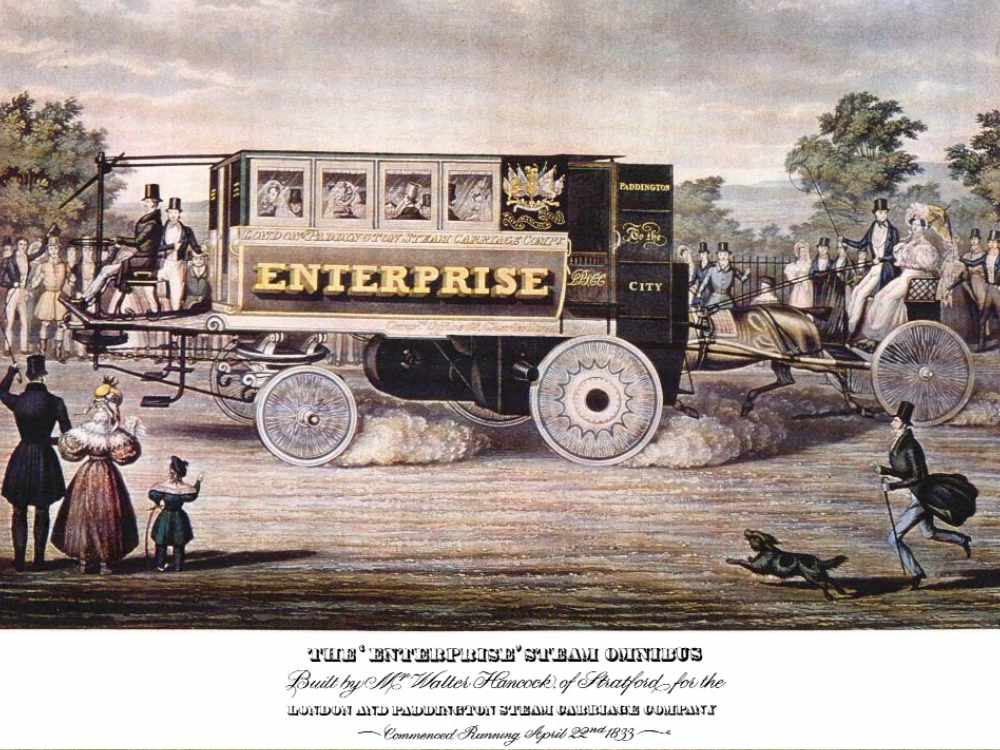
The ‘Enterprise’ is a replica of one of a series of very early steam driven carriages built in London by the pioneering engineer Walter Hancock between 1824 and 1836.
The original Enterprise started running in 1833, carrying fare paying passengers in London and making occasional trips farther afield. It incorporated many of the best features of the time including several of Hancock’s own patents such as the artillery wheel. His method of suspending the vehicle on leaf springs and in particular of locating the rear axle in such a way that it could be driven from an engine within the carriage were very advanced for the time and wouldn’t have seemed out of date 100 years later. His use of a steering wheel was novel for the time also. The body was similar to the Shillabeer Omnibus - a successful design of horse drawn vehicle where up to 14 passengers sat in two rows facing each other.
The ‘Enterprise’ was operated by three men. A driver at the front steers and controls the speed with a regulator and an engine man who was in charge of maintaining the water level in the boiler. He appears to have travelled sitting on the half door of the engine room with his feet outside. A third man attended to the fire and rode on a platform at the rear behind the boiler. He was in charge of a large brake handle which may of been of some slight help(!) when descending hills. It is not clear how these three communicated when the carriage was under way as they are out of sight of each other! Top speed was about 20 mph (32 km/hr) but 10 mph (16 km/hr) was a more usual cruising speed.
The passenger seats act as water tanks and can contain up to about one ton of water giving a range of 10 to 20 miles before they need replenishing. It is not clear from descriptions of the time what the weight of the original vehicle was as these early pioneers, particularly Gurney tended to understate the weight, presumably to minimise the tolls but the replica weighs 3.2 tonnes.
The Team at Classic Steam Carriages
Tom was an engineer and a business man who had a passion for historical detail. He recognised the importance of these 2 steam carriages and decided they needed to be recreated. Tom sadly passed away in November 2019 and is fondly remembered by all who knew him.

Steve is Tom's son and is the primary contact for any enquiries related to the Steam Carriages